See Your Habits Change: Drawing Feedback Loops You Can Live By

Today we’re exploring visualizing feedback loops to improve daily habits. By sketching how cues spark routines and produce rewards, you can spot leverage points, remove friction, and design kinder prompts. Expect simple diagrams, practical prompts, and small experiments you can try tonight. Share your first sketch in a comment and subscribe for weekly templates and gentle nudges.

From Invisible Patterns to Clear Pathways

Patterns felt in your gut become legible on paper. By tracing cues to routines to rewards, you expose bottlenecks and misaligned payoffs. That clarity makes the next smallest change obvious, reducing friction and sparing willpower for moments that truly matter.

Completion Feels Like Progress

Closed loops signal closure to the brain, releasing a satisfying sense of momentum. Progress bars, checked boxes, and circled dates convert invisible effort into visible wins, sustaining consistency on dull days and reminding you that reliability beats occasional bursts of intensity.

Capture Your Current Loop

Before optimizing, observe reality. Track when the behavior happens, what precedes it, and which reward you actually chase. Use one week of honest notes, then sketch the loop that already runs. Start small, choose one habit, and resist rewriting history to look heroic.

01

Spot the Cue in the Wild

Look for recurring signals in place, time, emotion, people, and preceding actions. Name them specifically: 7:10 a.m. kettle whistle, inbox ping after lunch, tension in shoulders. Specific cues are easier to draw, measure, intercept, and redesign than vague hunches or moral judgments.

02

Describe the Smallest Possible Routine

Shrink the action until it can survive a tired, distracted, imperfect day. Write the literal motions in order, like choreography you could perform half-asleep. Smaller routines feed the loop reliably, preventing catastrophic zero days and preserving trust in your own commitments.

03

Name the Reward and Its Real Job

Rewards are not always cookies. Often they are relief, closure, novelty, or belonging. Label the actual payoff your brain values, then ask whether a cleaner reward could follow the same behavior. Aligning authentic payoff with desired identity stabilizes the loop longer.

Design Visuals That Nudge, Not Nag

Good visuals reduce friction and invite curiosity. Place them where decisions happen, choose calm colors, and prefer clarity over art. Your diagram should answer, at a glance, what to do next. If updates feel heavy, the loop will quietly stall.

One-Glance Status at Eye Level

Keep the latest state visible from your common vantage point: desk, fridge, or mirror. Use concise labels and obvious arrows so sleepy mornings still make sense. When the next action is unmistakable, hesitation shrinks, and momentum continues without pep talks or alarms.

Logging That Takes Under Ten Seconds

Design the update step to be faster than a sigh. Check a box, move a magnet, tap a widget. If logging is slower than the habit itself, the diagram decays. Speed preserves truth, and truth keeps experiments honest and useful.

Lead Measures You Control Today

Track inputs you can deliver regardless of external outcomes: minutes walking, lights-out time, vegetables plated, pages opened. These controllable signals feed the loop, protecting morale when results lag. When inputs rise consistently, outcomes often follow as a quieter, secondary echo.

Cadence: How Fast the Loop Talks Back

Choose feedback intervals that match the habit’s rhythm. Daily graphs for sleep make sense; weekly for strength may be wiser. If the loop replies too slowly, interest fades; too quickly, noise confuses. Tune cadence until actions and signals harmonize naturally.

Stop Rules Prevent Perfection Traps

Decide in advance when to stop tweaking charts or chasing streaks. For example, three stable weeks or variance below a set band. Stop rules protect focus, freeing energy for living, not polishing dashboards, and they guard against obsession dressed as diligence.

Pick Your Medium and Tools
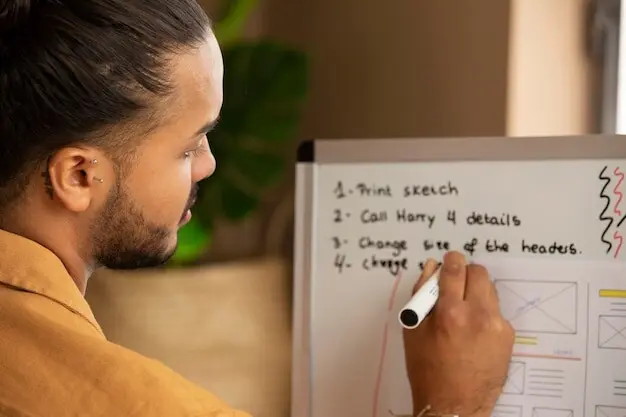
Choose tools that fit your space, taste, and schedule. Paper on a door can outperform any app if you actually see and touch it. Digital dashboards shine for trends. Mix methods intentionally, and keep switching costs low so habits remain effortless.

Analog Walls and Sticky Streams

Large paper surfaces invite playful updates, collaboration with housemates, and physical presence. Sticky notes flow like tokens through the loop, making bottlenecks obvious. Because the wall cannot hide behind tabs, your attention returns naturally, even when motivation drifts after a tough week.

Spreadsheets and Lightweight Dashboards

Grids let you compute rolling averages, visualize streaks, and record context notes beside data. Keep formatting simple to avoid tinkering spirals. When your sheet answers one decisive question per glance, it supports action rather than consuming the energy meant for action.

Evolve the Loop Over Weeks

Your first diagram is a draft. As life shifts, the loop should bend without breaking. Schedule gentle reviews, compare intentions with evidence, and retire elements that no longer serve. Adaptation keeps habits alive, meaningful, and aligned with seasons, roles, and values.

Weekly Retros with Honest Notes

Once a week, circle friction points, underline bright spots, and annotate surprises. Write like a teammate you respect. Share a photo with a friend or community for accountability. Gentle reflection transforms sketches into steering tools, turning experience into practical guidance.

Run Tiny Experiments, Not Makeovers

Change one arrow, not the whole map. Pre-commit to two-week trials with clear entry and exit criteria. Compare notes, keep what works, discard what drags. The loop improves through iteration, not drama, protecting consistency while inviting occasional, well-measured leaps.
Temirinokaropexi
Privacy Overview

This website uses cookies so that we can provide you with the best user experience possible. Cookie information is stored in your browser and performs functions such as recognising you when you return to our website and helping our team to understand which sections of the website you find most interesting and useful.