Seeing Patterns That Shape Your Day

Today we explore Everyday Systems Thinking for Life and Work, showing how small interactions create big outcomes over time. We will notice feedback loops, delays, and constraints in routines, projects, and relationships, so you can make calm, confident decisions that compound. Expect practical stories, clear mental models, and simple experiments you can run this week to reduce friction and unlock sustainable progress across your calendar, commitments, and wellbeing.

Spotting Hidden Links in Ordinary Moments

The most powerful influences often stay invisible until we trace the connections. By observing how one action nudges another, then ripples across hours or weeks, we begin to anticipate outcomes instead of reacting. Everyday environments broadcast signals about queues, bottlenecks, and incentives; systems thinking teaches us to listen carefully, sketch what we hear, and gently test adjustments that produce steady, less stressful improvements at home and at work.

Causal Loops for Personal Finance

Imagine labeling arrows from budgeting to savings confidence, confidence to planning consistency, and consistency back to budgeting accuracy. That reinforcing loop can grow steadily when you automate contributions and celebrate milestones. Meanwhile, an opposing loop might link unexpected expenses to stress and impulsive spending. By naming both loops, you design buffers, like an emergency fund, that slow the negative spiral and let the positive spiral gather momentum over months.

Stocks, Flows, and Your Energy

Think of energy as a stock that fills and drains. Sleep, nutritious meals, and breaks add flow in; interruptions, worry, and context switching drain flow out. Without visibility, we overdraw the account and call it grit. Track inputs and outputs across a week. Increase nourishing inflows with scheduled breaks, then cap outflows by batching messages. Over time, your capacity stabilizes, and performance becomes consistent rather than dramatic and exhausting.

Cue, Routine, Reward in Context

Place the water bottle on your keyboard at night, making hydration the first step before you can check notifications. The routine becomes automatic because the cue blocks other actions. Reward progress with a quick stretch and a visual streak tracker. As the loop repeats, identity shifts from striving to being someone who cares for energy. The system reduces reliance on discipline and increases effortless consistency.

Designing Friction for Bad Habits

If scrolling steals evenings, place your charger by the doorway and keep the phone there after dinner. Combine that with grayscale mode and time limits. You are not battling desire; you are changing the system’s affordances. Add a prepared book at the couch, a tea ritual, and low lighting. Suddenly the default becomes restful reading. Reduced accessibility is graceful friction that cools impulsive loops without drama or guilt.

Make Feedback Immediate and Kind

Feedback arriving days later rarely changes behavior. Give yourself visible progress signals: a kanban board for chores, a weekly check-in with a friend, or a timer that reveals context switching costs. Keep messages encouraging; shame corrodes systems by hiding information. When the loop between action and insight tightens, your brain learns faster, adjusts smoothly, and builds habits that survive tough weeks and unusual pressures with surprising resilience.

Working Smarter Through Flow and Feedback
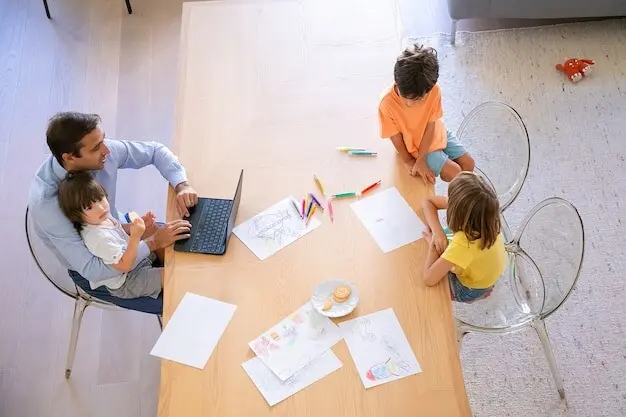
Teams thrive when work-in-progress is right-sized, feedback is quick, and priorities stay visible. Systems thinking invites everyone to ask where tasks wait, where decisions stall, and how information moves. Instead of adding overtime, we remove blockers, clarify handoffs, and balance load. As queues shorten and clarity rises, quality climbs, morale improves, and predictable delivery replaces last-minute heroics that quietly tax energy, trust, and long-term capacity.

Designing a Resilient Home Life

Households are living systems with inventories, flows, and capacities. Groceries, sleep, chores, and calendars form interlocking parts that either cushion stress or amplify it. By clarifying roles, limiting simultaneous commitments, and installing simple visual controls, families transform friction into cooperation. The goal is not rigidity; it is graceful reliability. Small buffers and predictable rhythms protect spontaneity by ensuring essentials happen without last-minute scrambles or simmering resentments.

Meal Planning as a Friendly Supply Chain

Treat meals like a just-in-time system with humane buffers. A rotating two-week menu simplifies shopping, reduces decision fatigue, and cuts waste. Keep a small pantry reserve for surprises, and pre-chop shared ingredients on Sundays. Post a visible plan near the fridge so everyone anticipates dinner without texts. As queues shrink, evenings feel spacious, and energy once spent improvising can nurture conversation, rest, and unhurried cleanup together.

Sleep as the Master Regulator

Sleep reliability stabilizes every other loop. A consistent wind-down routine, cooler room, and light exposure timing protect circadian signals. Put devices away early and replace blue light with warm lamps and paper books. Track wake variability, not just total hours, and guard it like a crucial meeting. When sleep steadies, cravings decline, patience grows, and work quality rises. The whole household experiences fewer flare-ups and calmer mornings.

Learning Loops That Grow Capability

Resilient systems do not avoid errors; they harvest them for insight. By running small, safe-to-fail experiments, then reflecting honestly, you grow adaptive capacity. Structure debriefs, maintain lightweight metrics, and close feedback quickly. Over time, the habit of iterative learning reduces drama during surprises. You become the person who calmly updates the plan, protects morale, and improves outcomes while others blame, panic, or double down on wishful thinking.
Shrink the blast radius by testing one variable with a clear stop rule and a learning question. For example, try a ninety-minute deep-work block with notifications off for a week, measuring throughput and error rate. If results worsen, revert with no stigma. This framing turns change from a risky bet into a reversible exploration, encouraging curiosity and building organizational muscles for thoughtful, low-drama adaptation.
When a plan falters, invite all voices to map what happened, focusing on conditions and signals rather than culprits. Capture weak signals you missed, decisions made under uncertainty, and helpful actions to repeat. Publish learnings broadly so memory persists beyond the moment. Normalizing reflection reduces fear, increasing information flow next time. The culture becomes safer, smarter, and faster at turning setbacks into directional clarity and practical next steps.
High utilization feels efficient but breaks under variability. Add slack to calendars, budgets, and inventories so surprises do not cascade. Name these cushions openly to prevent unplanned theft by urgent requests. Use reclaimed breathing room for training, maintenance, and relationship building. Paradoxically, less nominal utilization yields higher sustained throughput, fewer crises, and more generous attention, which strengthens collaboration and protects quality when demand inevitably surges again.
Temirinokaropexi
Privacy Overview

This website uses cookies so that we can provide you with the best user experience possible. Cookie information is stored in your browser and performs functions such as recognising you when you return to our website and helping our team to understand which sections of the website you find most interesting and useful.